PA ATV registration: Pennsylvania vs Virginia Rules

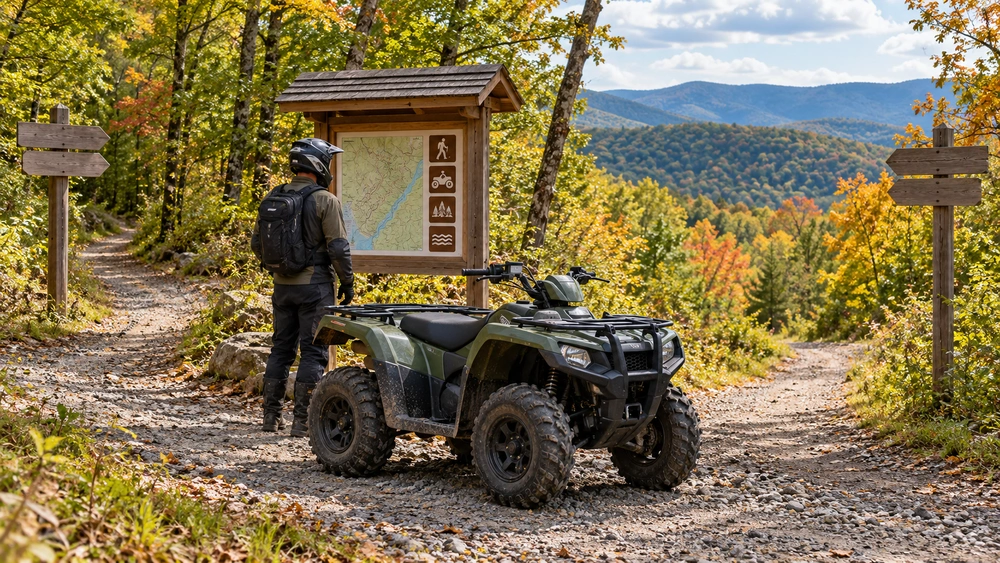
If you own an ATV or UTV in Pennsylvania or Virginia, do not assume the paperwork and riding rules work the same way on both sides of the state line. PA ATV registration generally includes both registration and an ATV title for recreational machines, while Virginia does not require ATVs to be registered and has different title, age and public-road rules.
At MotoMember, with locations in Chambersburg, Pennsylvania, and Purcellville and Manassas, Virginia, we help riders on both sides of that difference. Before taking a new ATV or side-by-side home, it helps to know which state rules apply to the vehicle and where you plan to ride.
Pennsylvania vs Virginia ATV Rules at a Glance
|
Requirement |
Pennsylvania |
Virginia |
|
ATV registration |
Generally required for recreational ATVs |
ATVs are not required to be registered |
|
ATV title |
Generally required through DCNR |
New gasoline/diesel ATVs over 50cc must be titled |
|
UTV treatment |
Many larger machines fall under PA Class II ATV rules based on width/weight |
"Utility vehicle" is a separate legal category for some road-use rules |
|
Liability insurance |
Required when riding off property you own or lease |
Insurance rules depend on the vehicle and its exempt-registration status |
|
Youth rules |
Safety certificate required for many riders ages 8–15 off family property |
General ATV operating age is 16, with engine-size exceptions for younger riders |
|
Public riding |
Designated trails, approved ATV roads and private land with permission |
ATVs generally cannot use public highways or public property unless specifically authorized |
The legal category matters. A machine marketed as a UTV or side-by-side may not be described the same way by each state's statutes.
How Does PA ATV Registration Work?
Pennsylvania generally requires ATVs used recreationally in the state to be both registered and titled through the Department of Conservation and Natural Resources.
A General Registration allows an ATV to be used away from property owned or leased by the operator. It currently costs $20 for two years and includes a registration plate, expiration sticker and registration card.
A Limited Registration is for use only on the owner's property. It is free and does not expire.
Pennsylvania also generally requires an ATV title, currently priced at $22.50, although exemptions apply to categories such as qualifying farm or business vehicles, government-owned machines and certain nonresident vehicles.
Pennsylvania divides ATVs into Class I and Class II categories. A Class I ATV is no more than 50 inches wide and 1,200 pounds dry weight. A machine exceeding either of those limits falls into Class II. That distinction matters because not every state forest trail permits larger Class II machines.
For current registration details, use the Commonwealth's official guidance: Pennsylvania ATV registration and title information
Does Pennsylvania Require ATV Insurance?
Yes, if you ride on property that you do not own or lease, Pennsylvania requires liability insurance and requires you to carry proof while riding. DCNR says the state's Snowmobile/ATV Law does not establish a specific minimum coverage amount for that ATV liability policy.
When heading onto Pennsylvania trails, riders should generally have their registration certificate, proof of liability insurance, registration plate and applicable expiration sticker with the machine. Riders ages 8 through 15 may also need their ATV safety certificate.
That makes insurance part of the pre-ride checklist, not simply something to think about after buying the ATV.
How Are ATV and UTV Registration Different in Virginia?
Virginia works differently because ATVs are not required to be registered with DMV.
For titling, new gasoline- or diesel-powered ATVs over 50cc purchased as new must receive a Virginia title. Used ATVs are not required to be titled, although an owner may voluntarily title one to document ownership or a lien. The current Virginia ATV title fee is $15.
This is where UTV registration terminology can get confusing. Virginia separately defines a "utility vehicle" as an off-road vehicle used for general maintenance, security, agricultural or horticultural purposes. Utility vehicles that qualify under that definition are generally exempt from standard registration, including when operated on public highways as specifically authorized under Virginia law.
So before assuming a side-by-side follows one rule or another, check how the vehicle and its intended use fit Virginia's definitions.
Review the state's current requirements here: Virginia DMV off-road vehicle rules
What Are the ATV Age Rules in Pennsylvania and Virginia?
The two states also handle younger riders differently.
Under PA ATV laws, riders ages 8 through 15 must complete an approved ATV safety course and hold a safety certificate to ride anywhere other than land owned or leased by their parent or guardian. Children under 8 cannot operate an ATV on state-owned property, and riders ages 8 and 9 are limited to machines of 70cc or less. Riders on designated joint-use roads must be at least 16.
Under Virginia ATV laws, the general operating age is 16. Riders ages 12 to 16 may operate ATVs within the state's engine-size exception, and children under 12 may operate machines of no more than 70cc. Virginia also requires ATV operators to wear an approved protective helmet.
Do not use the Pennsylvania youth rules for a Virginia ride or vice versa. The machine size, property and type of route can all affect what is allowed.
Where Can You Legally Ride in Pennsylvania?
Pennsylvania offers designated public ATV opportunities, but riders still need to stay on routes specifically open to their vehicle.
DCNR says Pennsylvania currently has about 908 miles of ATV riding opportunities, with many designated routes in state forests. On state forest trails, Class II ATVs are permitted only where the trail is specifically posted for that class and may also be subject to width and weight limits.
ATVs may generally be operated on private property with the owner's consent, on clearly marked state-owned ATV trails and on roads specifically designated for ATV use. Public-road crossings and joint-use roads have additional rules.
Trail seasons can also vary, so check the specific forest district before leaving rather than assuming every ATV trail is open.
Where Can You Ride an ATV or UTV in Virginia?
Virginia is more restrictive on general public access.
An ATV generally cannot be operated on a public highway or other public property unless the appropriate authority specifically allows it or the rider is making a permitted direct highway crossing. Riding on somebody else's private property also requires written permission.
Virginia's state forests are not ATV parks. Virginia Department of Forestry rules for its state forests specifically bar ATVs.
Utility vehicles have a separate pathway for certain locally designated public highways. A county, city or town must authorize the road, and the normal rules include a 25 mph-or-lower road limit, a valid driver's license, a slow-moving vehicle emblem and additional operating restrictions.
That means the safest planning approach is to identify the exact riding property or trail first and then check the rules for that location.
Get the ATV or UTV Ready Before You Ride
Registration and legal access are only part of the preparation.
Before heading out, check tires, brakes, steering, fluids, battery condition, lights and any vehicle-specific wear items. Our MotoMember service team works on ATVs and other powersports vehicles and offers routine maintenance, inspections, tire work, battery service and seasonal preparation.
Schedule ATV or UTV service with MotoMember
If you are still comparing machines, you can also browse our current inventory and narrow it by ATV or side-by-side.
Browse MotoMember powersports inventory
Frequently Asked Questions
Do ATVs need a title and registration in Pennsylvania?
Generally, yes. Recreational ATVs in Pennsylvania normally require both DCNR registration and an ATV title, with exemptions for certain agricultural, business, government and nonresident uses. Riders going beyond their own property typically need General Registration.
Does Virginia require ATV or UTV registration?
Virginia does not require standard ATV registration, although qualifying new ATVs over 50cc must be titled. Utility vehicles are governed separately in parts of Virginia law, particularly when they are authorized to operate on designated public highways.
Can I ride an ATV on public roads in Pennsylvania or Virginia?
Only in specific situations. Pennsylvania allows certain designated ATV roads, crossings and other authorized uses, while Virginia generally prohibits ATV highway use except where specifically authorized or for permitted crossings. Always check the exact road or trail before riding.
Know the Rules Before You Load the Trailer
If you ride between Pennsylvania and Virginia, treat every trip as a new rules check. Registration, titles, insurance, rider age and legal trail access can change once you cross the state line.
Our MotoMember teams in Chambersburg, Purcellville and Manassas can help you compare ATVs and side-by-sides or get your current machine ready for the next ride. For legal registration and riding requirements, use the current Pennsylvania DCNR and Virginia DMV guidance before heading out.