
Best Fishing Boat for River Fishing

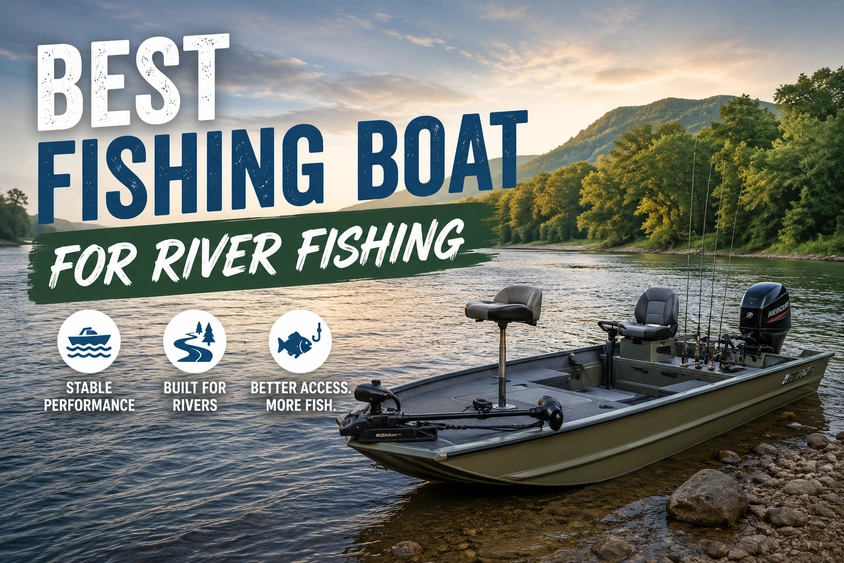
Best Fishing Boat for River Fishing
The best fishing boat for river fishing is the boat that matches your water, not just the boat that looks good on a trailer.
River fishing can mean shallow rocky runs, slow backwaters, wide open sections, narrow creeks, tidal rivers, gravel bars, ledges, submerged timber, and changing water levels. A boat that works perfectly on a calm lake may feel frustrating on a river if it is too deep, too heavy, too difficult to launch, or not set up for current.
For many anglers, the best river fishing boat is an aluminum jon boat. For others, a tunnel or jet jon boat, modified-V aluminum fishing boat, deep-V boat, or even a fishing pontoon may be the better fit.
MotoMember helps shoppers across Virginia, Pennsylvania, Maryland, West Virginia, and nearby areas compare fishing boats, G3 Boats, trailers, outboard packages, accessories, financing, trade-ins, parts, and service support. MotoMember lists dealership locations in Purcellville, VA; Manassas, VA; and Chambersburg, PA.
What Makes a Boat Good for River Fishing?
A good river fishing boat should be easy to control, stable enough to fish from, practical around shallow water, and tough enough for the way you use it.
River anglers often deal with current, rocks, gravel, mud, sandbars, stumps, logs, weeds, changing water levels, and ramps that may not be as forgiving as lake launches. That means hull shape, motor setup, trailer fit, storage, deck space, and overall simplicity all matter.
The best river boat should also match your fishing style. A smallmouth angler working rocky current needs a different setup than a catfish angler anchoring below a ledge. A crappie angler fishing quiet backwaters may want something different from a family that cruises and fishes wider river sections.
Before choosing a boat, think about your normal river, not the most extreme trip you might take once a year.
Best Overall Type: Aluminum Jon Boat
For many anglers, an aluminum jon boat is the best fishing boat for river fishing.
Jon boats are popular because they are practical, open, easy to clean, and useful in shallow or protected water. They can work well for bass, catfish, crappie, panfish, hunting, utility use, and simple weekend exploring.
G3 describes its Gator Tough Jons as all-welded aluminum jon boats built for fishing, hunting, utility use, and shallow-water confidence. G3’s Gator Tough Jon Series includes Package Jon, Tunnel Jon, and Loose Jon options.
Why Jon Boats Work Well on Rivers
Jon boats usually provide open floor space, simple layouts, and practical access to shallow areas. That matters when you are fishing around current seams, laydowns, grass edges, sandbars, bridge pilings, creek mouths, or backwater pockets.
They are also useful for anglers who carry anchors, ropes, bait buckets, coolers, rods, tackle, life jackets, and outdoor gear. A simple layout can keep the deck easier to manage.
For many buyers, a jon boat is also less intimidating. It can be easier to tow, easier to launch, easier to clean, and easier to customize than a more complex fishing boat.
Tradeoffs to Consider
A jon boat may not offer the same built-in storage, seating comfort, ride quality, or weather protection as a larger fishing boat. It may also feel basic for longer trips with family or guests.
That does not make it the wrong choice. It means the boat should match your expectations.
Ask MotoMember how the exact jon boat package fits your river, passenger count, trailer needs, motor setup, storage plan, and accessory goals.
Best for Shallow Rivers: Tunnel and Jet Jon Boats
If you fish shallow rocky rivers, skinny backwaters, ledges, gravel bars, or places where a standard prop setup may be limited, a tunnel or jet jon boat may be worth comparing.
G3’s Tunnel and Jet Jon models are listed as center-console boat, motor, and trailer packages in 20-foot to 17-foot lengths.
When a Tunnel or Jet Setup Makes Sense
A tunnel or jet-style setup may make sense if your normal river requires shallow-water access. This can matter for smallmouth bass anglers, catfish anglers, duck hunters, and multi-use outdoorsmen who regularly deal with rocks, current, shoals, or low-water conditions.
These setups are more specialized than a standard jon boat. They can be useful, but they are not automatically the right answer for every river buyer.
Tradeoffs to Consider
Specialized shallow-water setups should be chosen carefully. Think about your river depth, bottom type, current, gear load, passenger count, towing setup, fuel range, maintenance expectations, and how often you fish outside skinny water.
A tunnel or jet boat may be ideal for one angler and unnecessary for another. Talk with MotoMember about your actual water before deciding.
Best for Mixed Rivers and Lakes: Modified-V Aluminum Boats
A modified-V aluminum fishing boat can be a smart choice if you fish rivers but also spend time on lakes, reservoirs, coves, and open freshwater.
This style can offer more fishing features than a basic jon boat while still staying practical for many freshwater anglers. G3’s broader lineup includes Sportsman models, Bay Series boats, Angler V models, Gator Tough Jons, and SunCatcher pontoons, giving shoppers several directions to compare.
Why Modified-V Boats Work for River Anglers
A modified-V fishing boat may offer better storage, seating, casting space, livewell access, trolling motor planning, and electronics support than a simpler jon boat.
That can matter if you fish bass one weekend, crappie the next, and catfish later in the season. It can also be helpful if you bring family or want a more finished fishing platform.
Tradeoffs to Consider
A modified-V boat may not run as shallow as a tunnel or jet jon boat. It may also be more boat than you need for tight creeks or very shallow backwaters.
This category is often a good middle ground for anglers who want river usability without giving up comfort and fishing features.
Best for Bigger River Sections: Deep-V Fishing Boats
Some rivers are wide, windy, and exposed. If you fish larger river sections, tidal areas, or places with boat traffic and longer runs, a deep-V fishing boat may be worth comparing.
A deep-V boat may not be the first choice for shallow creeks or rocky skinny water. But it can make sense when comfort, passenger confidence, and bigger-water control matter.
When a Deep-V Boat Makes Sense
Choose this direction if your river fishing includes wider water, family passengers, open sections, or mixed use between rivers and larger lakes.
A deep-V layout can also work well for anglers who target multiple species and want a more protected feel on changing water.
Tradeoffs to Consider
A deep-V boat may require more towing confidence, more storage space, and better ramp access. It may also be less practical for shallow ledges, tight backwaters, and narrow river channels.
The key is honest use. Do not buy for big water if most of your fishing happens in skinny water. Do not buy for skinny water if your normal river feels more like a wide reservoir.
Best for Relaxed River Recreation: Fishing Pontoon
A fishing pontoon is not the first answer for every river angler, but it can work for calm, wide, slow-moving water where comfort is the priority.
Pontoons can be great for family fishing, relaxed cruising, casual panfish trips, and slow-water recreation. G3 lists SunCatcher pontoons as part of its broader lineup.
When a Pontoon Makes Sense
A pontoon may fit buyers who fish gentle river sections, protected water, or calm coves where seating, stability, space, shade, and comfort matter most.
This can be a good fit for families who want to fish, snack, relax, and cruise rather than run shallow current or work tight structure.
Tradeoffs to Consider
A pontoon is usually not ideal for shallow rocky rivers, fast current, tight channels, or anglers who need precise maneuverability around cover.
Choose this direction only if your river conditions and recreation goals fit the layout.
River Fishing Features Buyers Should Prioritize
Once you know the boat type, compare the features that affect real river use.
Hull Shape
Hull shape affects draft, handling, stability, and ride comfort.
A flat-bottom jon boat can be practical in shallow and protected water. A tunnel hull may help in specific shallow-water applications. A modified-V hull may provide a balance of river usability and open-water comfort. A deep-V hull may be better for larger, rougher water.
Ask how each hull style fits your actual river.
Motor Setup
Motor setup is one of the biggest river decisions.
A traditional prop setup may work well on deeper rivers and mixed freshwater. A tunnel or jet setup may be worth considering for shallow rocky areas. A trolling motor can help with quiet positioning around banks, docks, grass, current seams, and structure.
Do not choose the most specialized motor setup just because it sounds impressive. Choose the setup that fits the water you fish most often.
Open Deck Space
River fishing often involves moving around cover, anchors, rods, tackle, and passengers. Open deck space helps you cast, land fish, handle rope, manage rods, and keep footing clear.
Before buying, stand in the boat and picture your normal gear. Add rods, tackle, life jackets, anchor rope, cooler, net, battery, trolling motor, and a fishing partner. The boat should still feel usable.
Stability
Stability matters when anglers stand, cast, lean, fight fish, net fish, or shift weight in current.
Compare width, seating position, deck height, gear placement, and how the boat feels from bow to stern. A boat that feels fine with one angler may feel different with two people, batteries, coolers, and full gear.
Anchor Storage
River anglers often rely on anchors more than lake anglers. Anchor storage and rope management should be part of the buying conversation.
You need anchor gear that is easy to reach but not constantly underfoot. Poor rope management can create trip hazards and frustration.
Rod Storage
River anglers may carry several rod types: bass rods, catfish rods, spinning rods, crappie rods, bait rods, and backup setups.
Ask where rods go while running, fishing, trailering, and storing the boat. Loose rods can get damaged quickly in a small river boat.
Trailer Fit
River ramps can be steep, shallow, narrow, muddy, gravel, crowded, or affected by seasonal water levels.
A river boat should be easy enough to tow and launch often. Ask about trailer length, bunks, tire condition, lights, spare tire options, tie-downs, garage fit, driveway storage, and tow vehicle match.
New vs. Used River Fishing Boats
A new river fishing boat may make sense if you want current availability, dealer setup support, and a clean starting point for motor, trailer, trolling motor, electronics, safety gear, and accessories.
A used river fishing boat may be a smart choice if the condition, layout, motor, trailer, and price fit your needs. Used river boats deserve careful inspection because rocks, stumps, shallow ramps, current, and heavy use can create wear.
Check the hull bottom, transom, motor, prop or jet components, trailer tires, lights, wiring, batteries, flooring, seats, steering, bilge pump, livewell, electronics, and service history.
MotoMember’s website includes new inventory resources for powersports and marine shoppers, and current availability can vary by location, model, package, equipment, and season.
Safety for River Fishing
River fishing can feel familiar, but moving water deserves respect. Current, submerged rocks, floating debris, cold water, low-head dams, sudden weather, and remote areas can all create risk.
The U.S. Coast Guard states that recreational vessels must have a U.S. Coast Guard-approved wearable personal flotation device for each person onboard.
River anglers should also plan for a throwable device where required, navigation lights, anchor and line, dock lines, communication, first-aid supplies, weather awareness, basic tools, backup lighting, and properly fitting life jackets for every passenger.
Rules can vary by state and waterway, so buyers in Virginia, Pennsylvania, Maryland, West Virginia, and nearby areas should review current official requirements before launching.
MotoMember Expert Tip
Do not shop for the best river fishing boat by length alone.
Start with the river.
Before visiting MotoMember, write down the river sections you fish most, the shallowest areas you run, the bottom type, ramp conditions, target species, passenger count, gear list, tow vehicle, and storage plan.
That gives the MotoMember team a practical way to compare jon boats, tunnel and jet options, modified-V boats, deep-V boats, pontoons, trailers, accessories, financing, trade-ins, and service needs around your real fishing life.
The best river boat should make your normal trips easier, safer, and more enjoyable.
Why Shop River Fishing Boats at MotoMember
MotoMember gives anglers across VA, PA, MD, WV, and nearby areas a regional place to compare fishing boats, G3 Boats, trailers, outboard packages, accessories, parts, service, financing, and trade-ins.
That matters because the best river fishing boat is not just a hull. It is the full setup: boat, motor, trailer, trolling motor, batteries, charger, rod storage, anchor gear, electronics, safety equipment, cover, and long-term service plan.
Current availability can vary by location, season, incoming inventory, model year, package, color, equipment, and customer demand. Check MotoMember inventory or contact the team for details on the exact boat you are considering.
Large selection. Straightforward shopping. Real powersports and marine expertise.
Your fishing boat search starts at MotoMember.
Call to Action
Ready to compare the best fishing boat for river fishing?
Contact MotoMember or visit the team in Purcellville, Manassas, or Chambersburg to compare current river fishing boat inventory, G3 Gator Tough Jon boats, Tunnel and Jet Jon options, Loose Jon models, Sportsman boats, Angler V options, trailers, outboard packages, accessories, financing, trade-ins, and service support.
Tell the team how you fish: shallow rocky rivers, slow backwaters, larger river sections, bass fishing, crappie fishing, catfishing, panfish trips, hunting, utility use, or family recreation.
MotoMember can help you narrow the choices and find a river fishing boat that fits your water, gear, passengers, tow vehicle, and ownership plan.
Stop dreaming. Start riding — and boating — with MotoMember.
Conclusion
The best fishing boat for river fishing depends on your water, target species, gear, and comfort level.
For many anglers, an aluminum jon boat is the best starting point because it is practical, open, simple, and useful in shallow or protected water. A tunnel or jet jon boat may be better for skinny rocky rivers. A modified-V aluminum fishing boat may be smarter if you split time between rivers and lakes. A deep-V boat may fit larger river sections. A pontoon may work for calm, slow-water family recreation.
Before choosing, compare hull shape, motor setup, draft needs, deck space, stability, rod storage, anchor storage, trailer fit, ramp access, safety gear, service support, and real-world usability.
For river anglers across Virginia, Pennsylvania, Maryland, West Virginia, and nearby areas, MotoMember can help make the buying process clearer, easier, and more confidence-building.
FAQ
What is the best type of boat for river fishing?
For many anglers, the best type of boat for river fishing is an aluminum jon boat because it is practical, open, simple, and useful for shallow water, backwaters, creeks, and many river conditions.
Is a jon boat good for river fishing?
Yes. A jon boat can be a strong river fishing choice, especially for shallow water, protected areas, backwaters, and utility use. Buyers should compare hull width, motor setup, deck space, storage, trailer fit, and stability before choosing.
Do I need a jet boat for river fishing?
Not always. A jet boat may make sense for very shallow, rocky, or current-driven rivers, but many anglers are better served by a standard jon boat, tunnel hull, or modified-V aluminum fishing boat. Match the setup to your actual river.
What features matter most in a river fishing boat?
Important features include hull shape, draft, motor setup, open deck space, stability, anchor storage, rod storage, trolling motor compatibility, trailer fit, ramp access, safety gear, and service support.
Can MotoMember help me choose a river fishing boat?
Yes. MotoMember can help shoppers compare current fishing boat inventory, G3 Boats, trailers, outboard packages, accessories, financing, trade-ins, parts, and service support. Current availability can vary, so contact the team for details.