
Yamaha Outboard Fuel: What Should You Use?

Introduction
Fuel questions are among the most common Yamaha outboard motor questions online. What fuel should I use? Is ethanol safe? Do I need a stabilizer? How long can fuel sit in the tank?
Fuel quality matters because outboards often sit between trips. Unlike a car that may burn a tank every week, a boat may sit for days, weeks, or months.
This guide explains practical Yamaha outboard fuel care for everyday boaters.
Why Fuel Care Matters for Outboards
Marine engines operate in humid environments and often experience irregular use. Fuel can age, absorb moisture, oxidize, and leave deposits.
When fuel problems develop, boaters may notice:
- Hard starting
- Rough idle
- Loss of power
- Clogged filters
- Poor acceleration
- Stalling
- Fuel-system corrosion
Preventing fuel problems is easier than fixing them at the ramp.
Start with Your Yamaha Owner’s Manual
Your specific Yamaha outboard manual should guide fuel octane, fuel type, and additive recommendations.
Owner manual resource: https://yamahaoutboards.com/owner-center/owners-manuals
Do not assume every Yamaha model has the exact same requirements.
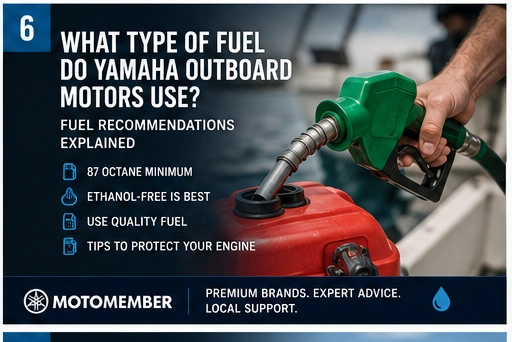
Can I Use Ethanol Fuel in a Yamaha Outboard?
Many boaters use ethanol-blended fuel where permitted, but it requires attention.
Ethanol can attract moisture and may contribute to phase separation or fuel degradation when fuel sits too long. That is why many marine owners prefer fresh fuel and approved stabilizing products.
Yamaha fuel maintenance resource: https://yamahaoutboards.com/maintenance-matters/fuel-fuel-system
What Is Phase Separation?
Phase separation happens when water and ethanol separate from gasoline. This can create a harmful layer that may cause poor running or damage.
It is more likely when fuel sits, absorbs moisture, or is stored improperly.
Should I Use Fuel Stabilizer?
Fuel stabilizer can be helpful, especially when the boat will sit between trips or during storage.
Yamaha recommends fuel care products designed to help fight moisture, oxidation, and phase separation in ethanol-enriched fuels.
Fuel treatment is not only for winter. It can be useful during the boating season if your fuel sits for weeks at a time.
Fresh Fuel Is Your Friend
The simplest fuel advice is also the most important: buy fuel from a reliable source and avoid storing large amounts longer than necessary.
If your boat has a portable tank, plan your fuel use. If your boat has a built-in tank, avoid filling far beyond what you can reasonably use unless storage prep is part of the plan.
Inspect Fuel Lines and Primer Bulbs
Fuel system checks should be part of your routine.
Look for:
- Cracked fuel lines
- Soft or brittle hoses
- Leaking fittings
- A stiff or cracked primer bulb
- Rusted clamps
- Damaged tanks
- Blocked tank vents
Discover Boating’s maintenance guidance also emphasizes routine checks of fuel lines, primer bulbs, fittings, tanks, vents, and water in fuel.
External maintenance resource: https://www.discoverboating.com/ownership/maintenance/outboard
Fuel Filters Matter
Fuel filters help protect the engine from contaminants and water.
Follow Yamaha’s recommended replacement schedule for your model. If you suspect contaminated fuel, do not ignore it. Have the system inspected.
Storage Fuel Tips
Before extended storage, prepare the fuel system correctly.
Common storage steps may include:
- Treating fuel with approved stabilizer
- Running the engine long enough to circulate treated fuel
- Inspecting filters
- Following Yamaha storage procedures
- Keeping tanks properly sealed
- Avoiding old untreated fuel
Yamaha winterization resource: https://yamahaoutboards.com/blog/maintenance/are-you-ready-for-winter
Symptoms of Bad Fuel in an Outboard
Bad or contaminated fuel can feel like an engine problem.
Watch for:
- Engine cranks but will not start
- Starts then stalls
- Rough idle
- Hesitation under throttle
- Loss of rpm
- Surging
- Excessive smoke or smell
If these symptoms appear, stop guessing and have the fuel system checked.
Can Fuel Problems Damage an Outboard?
Yes. Poor fuel quality can cause deposits, corrosion, clogged filters, lean running, and performance problems.
A neglected fuel system can turn a simple maintenance issue into a costly repair.
Why Buy and Service with MotoMember?
MotoMember helps customers across Virginia, Pennsylvania, and Maryland with Yamaha outboard shopping and ownership support.
When you work with a dealership, you get help choosing the right motor and keeping it ready through the season.
Visit MotoMember: https://www.motomember.com
CTA: Get Yamaha Outboard Help at MotoMember
Need help with Yamaha outboard fuel care, maintenance, or replacement options? Contact MotoMember or browse current Yamaha outboard inventory.
Shop outboards: https://www.motomember.com/en/new/outboard-motor/inventory/
Conclusion
Fuel care is one of the easiest ways to protect your Yamaha outboard.
Use the correct fuel, keep it fresh, inspect the fuel system, use approved stabilizer when appropriate, and follow Yamaha storage guidance.
A few good habits can prevent a lot of dockside frustration.
FAQ
Should I use non-ethanol fuel in my Yamaha outboard?
Many boaters prefer non-ethanol fuel when available, but always follow your Yamaha owner’s manual for approved fuel requirements.
Do I need fuel stabilizer every time?
It may be useful if fuel will sit between trips. Follow Yamaha product directions and your owner’s manual.
How do I know if my outboard has bad fuel?
Hard starting, rough idle, stalling, hesitation, and clogged filters can all point to fuel issues.
Can MotoMember help with Yamaha fuel-system service?
Contact MotoMember for service guidance, inspection options, and Yamaha ownership support.