
Polaris RANGER 500 vs RANGER 1000

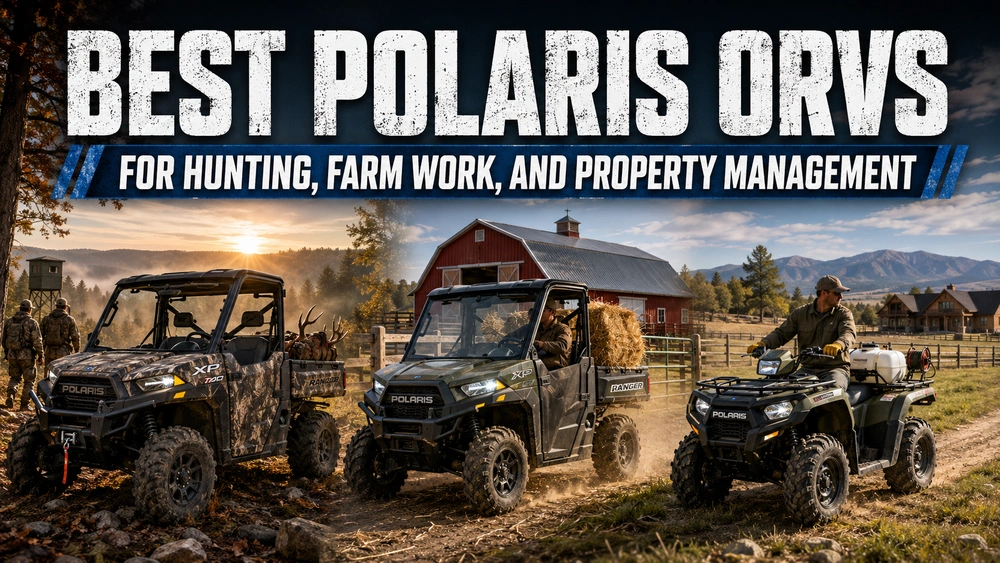
Polaris RANGER 500 vs. RANGER 1000: Which Utility Side-by-Side Fits Your Needs?
If you are comparing the Polaris RANGER 500 vs. RANGER 1000, you are probably looking for a utility side-by-side that can do real work without being more machine than you need.
Both models live in the Polaris RANGER family, which Polaris positions as its utility-focused side-by-side lineup for work, trails, farms, hunting, and property use. Polaris describes RANGER as built around capability, comfort, durability, hauling, towing, and all-wheel-drive traction.
The main difference is simple: the RANGER 500 is the practical, compact, budget-conscious utility choice. The RANGER 1000 is the larger, stronger everyday workhorse for riders who need more room, more hauling ability, more towing strength, and more long-term utility.
For shoppers in Virginia, Pennsylvania, Maryland, and nearby areas, MotoMember can help compare both models in person, review current Polaris RANGER inventory, talk through accessories, discuss financing, and help you choose based on how you will actually use your side-by-side.
Polaris RANGER 500 vs. RANGER 1000: Quick Answer
Choose the Polaris RANGER 500 if you want a compact, easy-to-use, two-seat utility side-by-side for property chores, light hauling, hunting access, landscaping tasks, and everyday work around home or land.
Choose the Polaris RANGER 1000 if you want a full-size utility side-by-side with more passenger capacity, stronger work capability, more hauling and towing confidence, and a better fit for larger properties, farms, hunting groups, and heavier-duty use.
Polaris describes the 2026 RANGER 500 as an affordable UTV with work-ready features like a dump box and factory-installed winch. Polaris describes the 2026 RANGER 1000 as an “everyday workhorse” with a powerful engine and class-leading hauling and towing.
What the Polaris RANGER 500 Does Best
The RANGER 500 is best for shoppers who want useful Polaris utility in a smaller, more approachable package.
It is not trying to be the biggest or most premium RANGER. That is part of its appeal. It is designed for buyers who want a side-by-side that can help with real chores while staying easy to store, easy to drive, and easier to justify for lighter-duty needs.
Best Uses for the RANGER 500
The RANGER 500 fits well for:
Property maintenance
Light hauling
Yard work
Hunting access
Cabin and campsite use
Landscaping tasks
Trail access around private land
First-time side-by-side ownership
Riders who want a compact two-seat UTV
Polaris lists key RANGER 500 specs including a 28-horsepower engine, 58.5-inch width, 10 inches of ground clearance, 500-pound box capacity, 1,000-pound payload capacity, 1,500-pound towing capacity, and two-person seating.
Those numbers make the RANGER 500 a practical fit for many homeowners, landowners, and hunters who need a helpful utility vehicle but do not need a full-size crew machine.
Why Buyers Like the RANGER 500
Many shoppers like the RANGER 500 because it keeps the buying decision straightforward.
It has the core features most utility buyers ask for: a dump box, towing ability, a winch, selectable turf mode, and a manageable footprint. Polaris also highlights its narrow 58.5-inch width, which can help with small spaces, storage, and maneuverability around property.
That matters if you are driving between buildings, around trees, along fence lines, through gates, or into a shed or garage.
What the Polaris RANGER 1000 Does Best
The RANGER 1000 is better for shoppers who need more side-by-side.
This model is part of the full-size RANGER lineup, and Polaris lists it with three-seat and six-seat options. That alone makes it a major step up if you regularly carry family, coworkers, hunting partners, or extra gear.
Best Uses for the RANGER 1000
The RANGER 1000 fits well for:
Large property work
Farm and rural business use
Heavier hauling and towing
Hunting groups
Work crews
Longer days outside
Regular passenger use
Buyers who want more full-size utility capability
If the RANGER 500 feels like a practical helper, the RANGER 1000 feels more like a true work partner.
Why Buyers Step Up to the RANGER 1000
Many shoppers step up to the RANGER 1000 because they do not want to outgrow their machine.
A smaller UTV may feel perfect on day one, but if your work grows, your hunting group expands, or you start adding accessories, you may wish you had more capacity. The RANGER 1000 gives you more room to grow.
Polaris lists the 2026 RANGER 1000 starting in the full-size category and describes it as built to boost efficiency on the job.
RANGER 500 vs. RANGER 1000 for Work
For work, the better model depends on workload.
The RANGER 500 is a strong fit for light-to-moderate chores. The RANGER 1000 is the better fit for heavier, more frequent, or more demanding work.
Choose RANGER 500 for Light Property Work
Choose the RANGER 500 if your work looks like:
Moving mulch, soil, or yard supplies
Hauling small tools
Checking fence lines
Taking gear to a garden, barn, or shed
Pulling small loads within rated limits
Cleaning up branches or storm debris
Driving around private land
Supporting weekend chores
Polaris notes that the RANGER 500’s gas-assist dump box can haul up to 500 pounds, and its standard 2-inch hitch receiver supports a 1,500-pound towing capacity.
For many homeowners, that is exactly the level of utility they need.
Choose RANGER 1000 for Bigger Jobs
Choose the RANGER 1000 if your work includes:
Larger acreage
Frequent towing
More tools and supplies
Multiple passengers
Farm chores
Hunting lease maintenance
Rural business use
Snow, mud, hills, or rougher work areas
Long days where comfort and size matter
If your side-by-side will be used several times per week, or if it will replace trips with a truck, tractor, or trailer, the RANGER 1000 may be the smarter long-term purchase.
RANGER 500 vs. RANGER 1000 for Hunting
Both models can support hunting, but they serve different hunters.
The RANGER 500 is a good fit for solo hunters or two-person use. The RANGER 1000 is better for hunting groups, more gear, larger properties, and longer trips.
When RANGER 500 Works for Hunting
The RANGER 500 makes sense if you usually hunt alone or with one other person.
It can help carry packs, stands, blinds, tools, coolers, clothing, and basic gear. Its smaller size may also be helpful around tighter private property trails, cabins, wooded paths, and storage areas.
If you need a side-by-side mostly to reach a stand, check cameras, haul limited gear, or maintain a small hunting property, the RANGER 500 may be enough.
When RANGER 1000 Is Better for Hunting
The RANGER 1000 is the stronger choice if you hunt with a group or carry more equipment.
Hunters often bring more than they think: stands, decoys, blinds, coolers, packs, recovery gear, tools, layers, food, lights, and sometimes additional passengers. That is where a full-size RANGER becomes easier to justify.
If you hunt larger properties in VA, PA, MD, or nearby areas, the added room and capability can make long days more comfortable and productive.
RANGER 500 vs. RANGER 1000 for Trail Riding
Neither model is a Polaris RZR, so do not think of this comparison as a sport side-by-side decision.
Both RANGER models are utility side-by-sides that can handle trail access and recreational riding, but they are built first around work and utility.
RANGER 500 for Casual Trail Access
The RANGER 500 is a good choice for casual trail riding, private property routes, cabin roads, hunting trails, and slower-paced exploring.
Its compact size is a real advantage if your trails are tight or your storage space is limited.
RANGER 1000 for Bigger Terrain and Longer Rides
The RANGER 1000 makes sense if your trail riding includes passengers, gear, hills, rougher conditions, or longer days outside.
It will not have the sport personality of a RZR, but it gives utility buyers more room, more confidence, and more full-size capability.
For shoppers who want a sportier ride, MotoMember can also help compare Polaris GENERAL and Polaris RZR models.
RANGER 500 vs. RANGER 1000 for Passenger Space
Passenger capacity may be the deciding factor.
The RANGER 500 is a two-seat machine. Polaris lists the RANGER 1000 with three-seat and six-seat options.
That means the RANGER 1000 is the better fit if you regularly carry:
Family members
Hunting partners
Coworkers
Farm help
Kids or passengers
Extra gear in the cab area
If you only need seating for two, the RANGER 500 may feel simpler and more manageable. If you often wish you had another seat, start with the RANGER 1000.
RANGER 500 vs. RANGER 1000 for Storage and Trailer Size
A bigger UTV usually means more storage and trailering considerations.
The RANGER 500’s smaller footprint can be easier to live with. Polaris lists its overall vehicle size at 110 inches long, 58.5 inches wide, and 74.8 inches high.
Before choosing the RANGER 1000, think about where the machine will live.
Will it fit in your garage, barn, shed, or trailer?
Can you turn it around easily on your property?
Will it fit through gates or between buildings?
Do you need room for accessories like a roof, windshield, plow, or mirrors?
Many buyers focus on engine size first, but storage and transportation affect ownership every week.
RANGER 500 vs. RANGER 1000 for First-Time Buyers
First-time side-by-side shoppers often lean toward the RANGER 500 because it feels approachable.
That can be the right move. It is easier to drive, easier to store, and built for practical chores. Polaris even identifies the RANGER 500 as a strong entry-level option for adults new to side-by-sides.
However, first-time buyers should still think long term.
If you already know you need more seats, heavier work capability, or a full-size machine, the RANGER 1000 may save you from upgrading sooner than expected.
RANGER 500 vs. RANGER 1000 for Value
The best value is not always the lowest price.
The RANGER 500 may be the better value if it does everything you need. Paying for extra size and capability you will not use may not make sense.
The RANGER 1000 may be the better value if the RANGER 500 would feel limited after the first season. If you need more seats, more hauling confidence, more towing strength, or more full-size comfort, stepping up can be the smarter long-term decision.
MotoMember has current model pages for the Polaris RANGER 500, and current inventory, pricing, promotions, and availability can vary by location and timing. Check MotoMember inventory or contact the team for the latest options before visiting.
MotoMember Expert Tip
Before choosing between the Polaris RANGER 500 and RANGER 1000, list your top three jobs.
For example, “yard work, hunting access, light hauling” may point toward the RANGER 500. “farm work, family rides, towing, hunting groups” may point toward the RANGER 1000.
Then think about your property size, passenger count, trailer, storage space, terrain, and accessories. Our team can help you compare both models in person so you are not guessing from photos or spec sheets.
Accessories to Consider Before Buying
Accessories can make either RANGER much more useful.
Common RANGER accessories include:
Roofs
Windshields
Winches
Mirrors
Storage boxes
Lighting
Plows
Rear panels
Cab systems
Heaters
Tool mounts
Cargo organizers
Battery maintainers
Tire and wheel upgrades
For VA, PA, and MD riders, seasonal use matters. Spring mud, summer property work, fall hunting, and winter chores can all affect which accessories make sense.
The RANGER 500 already includes a factory-installed winch according to Polaris, which is useful for many property and cleanup jobs. For the RANGER 1000, accessory choices may depend on trim, cab needs, and whether the machine will be used mostly for work, hunting, or year-round comfort.
Safety and Ownership Considerations
A utility side-by-side is a serious off-road vehicle, even when used for chores.
Polaris recommends checking protective gear, tires, brakes, lights, fluid levels, throttle, steering, visible leaks, loose parts, and cargo security before every off-road ride. ROHVA also offers a hands-on ROV Basic DriverCourse for licensed drivers age 16 and older.
Pre-Ride Checklist
Before each ride, inspect the machine, secure cargo, check passengers, review the route, and confirm everyone is wearing appropriate protective gear.
For work use, check straps, tools, loose items, hitch connections, and cargo weight. For hunting use, confirm gear is secured and follow all landowner, local, and state rules.
Service Support Matters
Buying a RANGER is not just about the day you take it home.
Side-by-sides need maintenance, fluids, belts, tires, batteries, filters, brakes, accessories, seasonal prep, and occasional repairs. Working with a dealership group like MotoMember gives you a place to ask questions before and after the sale.
Large selection. Straightforward shopping. Real powersports expertise.
Call to Action
Ready to compare the Polaris RANGER 500 and RANGER 1000?
Visit MotoMember to explore current Polaris RANGER inventory, compare compact and full-size utility side-by-sides, review financing, value your trade, and talk with a team that understands how riders in Virginia, Pennsylvania, Maryland, and nearby areas use their machines.
Your Polaris Headquarters starts at MotoMember. Stop dreaming. Start riding.
Conclusion
The Polaris RANGER 500 and RANGER 1000 are both practical utility side-by-sides, but they fit different buyers.
Choose the Polaris RANGER 500 if you want a compact, two-seat, easy-to-own utility machine for light work, property maintenance, hunting access, and everyday chores.
Choose the Polaris RANGER 1000 if you need a full-size side-by-side with more passenger options, more work capability, stronger utility performance, and better long-term flexibility for farms, hunting groups, larger properties, and heavier tasks.
The right choice depends on how you work, where you ride, what you carry, who comes with you, and how much machine you want to own over time. Current availability can vary, so check MotoMember inventory or contact the team for the latest Polaris RANGER options.
FAQ
Is the Polaris RANGER 500 good for property work?
Yes. The Polaris RANGER 500 is a strong choice for light-to-moderate property work, including yard tasks, hauling small loads, checking land, moving tools, and supporting hunting access.
Is the Polaris RANGER 1000 better than the RANGER 500?
The RANGER 1000 is better if you need more passenger space, more full-size capability, and stronger work performance. The RANGER 500 may be better if you want a smaller, simpler, more budget-conscious utility side-by-side.
Which RANGER is better for hunting?
The RANGER 500 can work well for solo hunters or two-person use. The RANGER 1000 is usually better for hunting groups, larger properties, more gear, and longer days outdoors.
Should first-time buyers choose the RANGER 500?
Many first-time buyers should consider the RANGER 500 because it is approachable, compact, and practical. However, first-time buyers who need more seats or heavier-duty utility should compare the RANGER 1000 before deciding.
Can MotoMember help me compare RANGER models?
Yes. MotoMember can help compare current Polaris RANGER inventory, model fit, accessories, financing, trade-ins, and service needs for shoppers across VA, PA, MD, and surrounding areas.