
How Long Do Polaris Rangers Last?

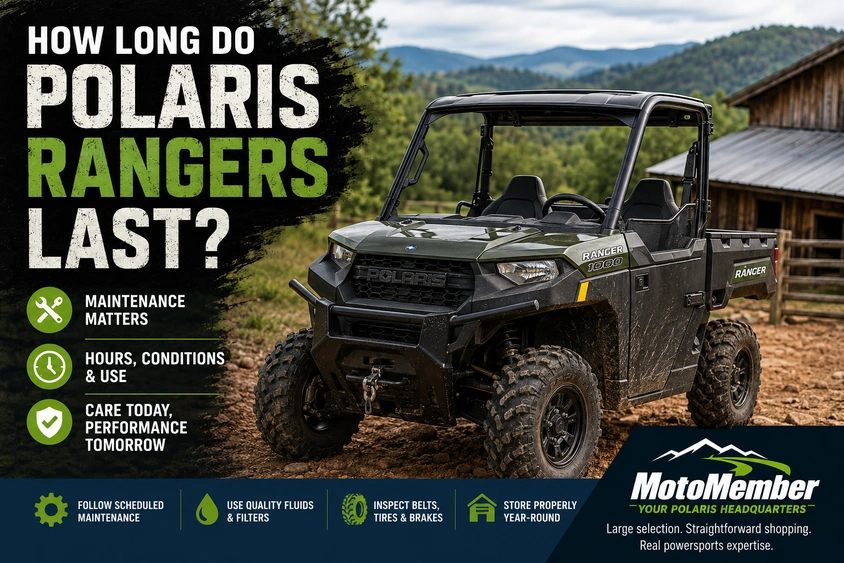
How Long Do Polaris Rangers Last?
A Polaris Ranger can last for many years when it is used correctly, maintained on schedule, stored properly, and repaired before small issues become expensive problems. There is no single guaranteed mileage or hour number that applies to every Ranger because a farm-used machine, trail machine, hunting rig, and lightly used property vehicle all live very different lives.
For shoppers in Virginia, Pennsylvania, Maryland, and nearby areas, the better question is not just “How long do Polaris Rangers last?” It is “What makes one Polaris Ranger last longer than another?” That answer comes down to maintenance history, riding conditions, ownership habits, storage, accessories, and whether the unit was matched to the right job from the beginning.
At MotoMember, many shoppers start by asking whether a Polaris Ranger is a good long-term investment for work, recreation, land management, hunting, or family property use. The honest answer is that a Ranger can be a very durable side-by-side, but long life depends on how it is cared for after the sale.
MotoMember carries Polaris side-by-sides and supports riders with sales guidance, service, financing, trade-ins, and ownership help across locations in Virginia and Pennsylvania. You can explore current Polaris side-by-side options through MotoMember’s Polaris inventory pages, but availability can change, so contact the team for current units and model comparisons.
The Real Answer: Lifespan Depends on Use and Care
A Polaris Ranger used around a small property on weekends may age very differently than one used every day for hauling, towing, mud, livestock work, snow, hunting land, or commercial use. Hours, miles, and age all matter, but condition matters more.
A machine with moderate hours, clean fluids, documented service, good tires, tight suspension, and careful ownership may be a better buy than a low-hour machine that sat outside, was rarely serviced, or was used hard in mud and water.
Polaris also publishes owner resources and maintenance information for Ranger models, including maintenance schedules and owner’s manuals by model year and vehicle type. That matters because the correct service interval can vary by model and year.
What Usually Determines How Long a Polaris Ranger Lasts?
Maintenance History
Maintenance is the biggest factor. Oil changes, air filter service, belt inspection, coolant checks, gearcase fluids, brake service, battery care, and general lubrication all help protect the vehicle.
Polaris notes that most Rangers need a break-in oil and filter change at 25 engine hours or 250 miles of use, whichever comes first, and owners should consult the specific owner’s manual for the most accurate recommendations.
Polaris also lists routine Ranger maintenance milestones by months and miles, including items such as engine oil, transmission fluid, drive belt inspection, brake components, spark plugs, battery checks, tire inspection, and general lubrication.
Air Filter Care
Dust is one of the biggest enemies of an off-road machine. Riders in dry, dusty trail areas, gravel lanes, farms, fields, and hunting properties should pay close attention to air filter condition.
A dirty or poorly seated air filter can allow contamination into the engine. That can shorten engine life faster than many owners realize.
Belt Condition
A Polaris Ranger’s drive belt is a wear item. Aggressive throttle use, heavy loads, oversized tires, deep mud, repeated low-speed strain, and improper break-in can all increase belt wear.
A worn belt may cause slipping, smell, vibration, poor acceleration, or inconsistent performance. Inspecting and replacing belts before failure helps protect ride quality and reduces the chance of being stranded.
Fluids and Lubrication
Engine oil is only part of the story. Transmission fluid, front drive fluid, coolant, brake fluid, and grease points all matter.
Polaris maintenance resources include scheduled checks and changes for multiple fluids and wear items, not just engine oil.
Riding Conditions
A Ranger that spends its life on smooth property roads usually has an easier life than one used in deep mud, steep terrain, water crossings, rocky trails, or constant heavy towing.
For riders in VA, PA, MD, and nearby areas, local use can vary widely. Some owners use Rangers on farms and rural properties. Others use them for hunting land, wooded trails, utility chores, or seasonal recreation. Each use case creates different wear patterns.
Storage
Indoor storage helps protect seats, plastics, electrical connections, tires, battery life, and finish. A Ranger stored outside year-round may still function well, but weather exposure can age components faster.
Covered storage is especially helpful during winter, heavy rain, long idle periods, and off-season months.
Is Mileage or Hours More Important?
Both matter, but hours often tell a better story on a side-by-side than miles alone.
A Ranger with high hours and low miles may have spent a lot of time idling, working slowly, plowing, hauling, or crawling around property. A Ranger with higher miles but lower hours may have been driven more steadily on open terrain.
When comparing used Polaris Rangers, do not judge by one number. Look at hours, miles, condition, service history, tires, suspension, steering, brakes, belt condition, engine sound, fluid appearance, and how the machine was used.
Signs a Polaris Ranger Was Well Maintained
A well-kept Ranger usually shows it in small details. Look for clean fluids, smooth starting, steady idle, responsive throttle, firm brakes, even tire wear, clean air filter housing, proper coolant level, no major leaks, and suspension that feels tight.
Documentation is also valuable. Receipts, service records, owner’s manuals, accessory installation paperwork, and dealership service history can help you understand how the vehicle was cared for.
Used shoppers should also ask whether the machine was used for mud riding, water crossings, towing, snow plowing, farm work, or commercial use. None of those automatically make a Ranger a bad choice, but they affect inspection priorities.
Signs a Polaris Ranger May Have Had a Hard Life
Be cautious if you see heavy corrosion, muddy residue in hard-to-clean areas, damaged skid plates, bent suspension parts, uneven tire wear, electrical issues, torn seats, loose steering, unusual noises, or evidence of water intrusion.
Also pay attention to modifications. Lift kits, oversized tires, audio systems, lighting upgrades, roofs, windshields, heaters, plows, and cargo accessories can all be useful, but they should be installed correctly and matched to the machine.
A modified Ranger is not automatically a problem. Poor installation, neglected maintenance, or accessories that overload the vehicle are the bigger concerns.
New vs. Used: Which Lasts Longer?
A new Polaris Ranger gives you the cleanest starting point. You know the break-in history, maintenance can begin correctly from day one, and the machine can be matched to your needs before accessories are added.
A used Ranger can also be a smart buy when condition, service history, and price line up. The key is inspection. A lower-priced used machine may cost more over time if it needs tires, brakes, belts, fluids, suspension work, or electrical repairs soon after purchase.
MotoMember can help shoppers compare new and used options, evaluate trade-ins, and decide whether buying new or pre-owned makes more sense for their budget and intended use. MotoMember’s financing page also explains that financing is available for new and used powersports vehicles and boats.
Which Polaris Ranger Should You Choose for Long-Term Ownership?
The right Ranger depends on how you plan to use it. Choosing too little machine for the job can cause frustration and extra wear. Choosing more machine than you need can raise cost without adding practical value.
For Property Work
Look for the right mix of cargo capacity, towing needs, seating, comfort, and accessory support. A property owner who hauls tools, mulch, firewood, fencing supplies, or feed may value utility features more than speed.
For Hunting and Outdoor Recreation
Consider storage, ground clearance, tire choice, lighting, roof options, windshield options, and how quietly and comfortably the machine moves through wooded land.
For Family Use
Seating, comfort, entry and exit, safety habits, storage, and passenger space matter. A Crew model may make sense when multiple passengers ride regularly.
For Year-Round Use
Cab, roof, windshield, heater, winch, and weather protection may matter more in Pennsylvania or mountain-region winters than they would for occasional fair-weather riding.
MotoMember has current Polaris Ranger model pages, including examples such as the Ranger 500, Ranger 1000, and Ranger XP 1000 NorthStar Edition. Current availability can vary, so check MotoMember inventory or contact the team before visiting.
How to Help a Polaris Ranger Last Longer
Follow the Correct Maintenance Schedule
Use the owner’s manual for your exact model and year. Polaris provides online owner’s manuals and maintenance resources so owners can find model-specific information.
Warm It Up and Use It Smoothly
Cold starts, hard throttle, and immediate heavy loads can increase wear. Let the engine settle, drive smoothly, and avoid treating the machine like a race vehicle if your goal is long-term reliability.
Keep It Clean
Washing mud, salt, manure, and debris off the machine helps protect components. After muddy or wet rides, clean the undercarriage, inspect for damage, and check areas around the belt housing, brakes, suspension, and radiator.
Watch the Tires
Tire pressure and tire condition affect ride quality, steering, suspension wear, traction, and drivetrain stress. Oversized or aggressive tires may look great, but they can increase strain if not chosen carefully.
Service the Belt and Clutch Area
The belt and clutch system work hard in a utility side-by-side. Heavy loads, low-speed work, towing, and aggressive terrain can increase heat and wear. Regular inspection helps prevent bigger issues.
Use the Right Accessories
Accessories can make a Ranger more useful, but the wrong setup can create problems. Before adding a plow, winch, cab, heater, storage system, lighting, or larger tires, ask how the accessory affects weight, electrical demand, service access, and long-term use.
Safety Habits Also Affect Longevity
Safe driving protects people first, but it also protects the machine. Hard impacts, rollovers, careless slope riding, and high-speed abuse can shorten the life of any side-by-side.
ROHVA recommends wearing helmets and protective gear, using seat belts, keeping body parts inside the vehicle, avoiding paved roads except when safely and legally crossing, driving only in designated areas, and never operating under the influence.
The U.S. Consumer Product Safety Commission also identifies recreational off-highway vehicles as a category with safety standards and occupant protection considerations, including seat belt reminders and occupant barriers.
MotoMember Expert Tip
Before choosing a Polaris Ranger, be honest about the hardest job the machine will do, not just the easiest one.
Many shoppers say they need a side-by-side for “light property use,” but then mention hauling firewood, pulling a trailer, carrying passengers, plowing snow, or riding rough hunting land. Those details matter.
Our team can help you compare Ranger models, seating layouts, cab options, utility features, accessories, and financing choices so you choose a machine that fits your real-world use. A properly matched Ranger is easier to maintain, more enjoyable to own, and more likely to serve you well long term.
Should You Buy a High-Hour Polaris Ranger?
You can, but inspect carefully. A high-hour Ranger with excellent maintenance may still have useful life left, while a low-hour machine with poor care can become expensive quickly.
Before buying, check:
Engine starting and idle quality
Fluid condition
Belt and clutch behavior
Brake feel
Steering looseness
Suspension noise
Frame and underbody condition
Electrical accessories
Tire wear
Service records
Signs of water, mud, or heavy abuse
A dealership inspection can be valuable if you are unsure what you are looking at.
What About Older Polaris Rangers?
Older Rangers can still be useful machines, especially for property work and utility chores, but age changes the buying equation. Parts availability, previous repairs, electrical condition, plastics, seats, tires, suspension bushings, bearings, and maintenance history become more important.
An older unit may be a good fit for light-duty use if it has been cared for. For daily work, frequent passenger use, or long-term ownership, a newer model may offer more confidence and better support.
Call to Action
Thinking about a Polaris Ranger for work, land, hunting, trail use, or family property riding? Visit MotoMember to compare current Polaris Ranger inventory, ask about new and used options, discuss financing, and get practical guidance from a team that understands side-by-side ownership.
Your Polaris headquarters starts at MotoMember. Large selection. Straightforward shopping. Real powersports expertise.
Explore MotoMember online or contact the team at locations serving riders across Virginia, Pennsylvania, Maryland, and nearby areas.
Conclusion
So, how long do Polaris Rangers last? The most accurate answer is that they can last many years when maintained properly, used within their limits, stored well, and serviced before small problems grow.
The longest-lasting Rangers are usually not the ones with the lowest hours or the newest plastics. They are the machines owned by people who follow the maintenance schedule, check fluids, keep filters clean, inspect belts and tires, avoid abuse, and choose the right model for the job.
For riders in VA, PA, MD, and nearby areas, MotoMember can help you compare Polaris Ranger models, evaluate new and used choices, plan accessories, and understand what ownership looks like after the sale.
FAQ
How many years can a Polaris Ranger last?
A Polaris Ranger can provide many years of use with proper maintenance, careful operation, and good storage. Lifespan varies based on hours, miles, terrain, load, service history, and whether the machine was used for light recreation or heavy work.
Is a high-hour Polaris Ranger bad?
Not automatically. A high-hour Ranger with strong maintenance records may be better than a low-hour Ranger that was neglected or abused. Always inspect condition, fluids, belt, suspension, brakes, tires, and service history.
What maintenance helps a Polaris Ranger last longer?
Oil and filter changes, air filter service, belt inspection, fluid checks, tire care, brake inspection, battery maintenance, coolant checks, and lubrication all help. Polaris recommends using the correct owner’s manual for model-specific intervals.
Should I buy a new or used Polaris Ranger?
Buy new if you want the cleanest ownership history and the ability to maintain it properly from day one. Buy used if the condition, service history, and price make sense. MotoMember can help compare both options.
Where can I shop Polaris Rangers near VA, PA, or MD?
MotoMember serves powersports shoppers across Virginia, Pennsylvania, Maryland, and nearby areas with Polaris side-by-side inventory, financing help, trade-in support, and dealership service guidance. Current availability can vary, so check inventory or contact the team before visiting.