
Fishing Boat Maintenance Checklist for Anglers

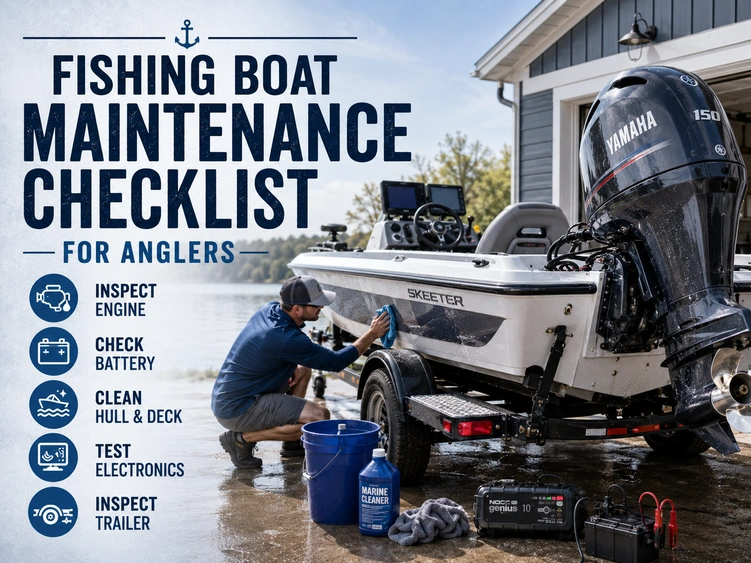
Fishing Boat Maintenance Checklist for Anglers
A fishing boat does not need to be complicated to need regular maintenance. Whether you run a jon boat, aluminum fishing boat, bass-style setup, crappie rig, deep-V fishing boat, or fishing pontoon, the same idea applies: the better you care for the boat, the easier it is to enjoy your time on the water.
For anglers, maintenance is not only about protecting the boat. It is about avoiding missed fishing days, dead batteries, trailer problems, rough starts, weak trolling motor performance, electronics issues, and unsafe trips.
A good fishing boat maintenance checklist helps you stay ahead of small problems before they become expensive repairs or ruined weekends. It also helps protect your engine, trailer, batteries, hull, electronics, safety gear, and fishing equipment.
For boaters in Virginia, Pennsylvania, Maryland, West Virginia, and nearby areas, MotoMember helps shoppers and owners with marine inventory, trailers, parts, service, maintenance, and ownership support. MotoMember is a full-service dealership group with locations in Virginia and Pennsylvania, serving powersports and marine customers across categories that include ATVs, side-by-sides, motorcycles, watercraft, marine products, trailers, service, parts, maintenance, and repairs.
Why Fishing Boat Maintenance Matters
Many anglers think about maintenance only before spring launch season or after something breaks. That is understandable, but it is not the best way to protect your boat.
Fishing boats work hard. They are trailered over roads, backed into water, exposed to sun and rain, loaded with batteries and tackle, bumped against docks, run through weeds, and used in shallow water where props, trolling motors, and transducers can take abuse.
A clean maintenance routine helps you catch problems early. It also makes every launch less stressful because you already know the battery is charged, the trailer lights work, the plug is in good shape, the safety gear is accessible, and the engine has been inspected.
For many anglers, the best maintenance plan is simple: check the boat before every trip, clean it after every trip, inspect it more deeply every month during the season, and schedule professional service before small issues grow.
Before Every Fishing Trip
Your pre-trip checklist should be quick, consistent, and realistic. It should cover the things most likely to stop your day before it starts.
Boat Hull and Exterior
Walk around the boat before leaving home. Look for obvious damage, loose hardware, missing drain plugs, cracks, dents, exposed fasteners, worn rub rail areas, or anything that changed since your last trip.
Check the transom area carefully. Look at the outboard mounting area, ladder if equipped, tie-down points, and any accessories attached near the stern.
If your boat is stored outdoors, look for water inside compartments, mildew, leaves, rodent activity, or damaged covers. A few minutes of inspection can save you from discovering a problem at the ramp.
Drain Plug
The drain plug deserves its own reminder because it is one of the easiest things to forget.
Before leaving home, confirm the plug is present and in good condition. Before launching, confirm it is installed correctly. After pulling the boat out, remove it if your normal storage routine calls for draining the bilge area.
Do not assume someone else checked it. Make it part of your own routine.
Fuel and Fluids
Check fuel level before you tow to the ramp. Also inspect for fuel smell, leaks, cracked hoses, loose fittings, or anything that looks out of place.
For outboard-powered boats, follow the engine manufacturer’s maintenance schedule. Yamaha’s Maintenance Matters guidance emphasizes regular outboard care, including engine oil, lower unit oil, fuel filters, corrosion prevention, engine flushing, and fuel treatment as part of protecting performance and resale value.
Do not ignore old fuel. If the boat has been sitting, talk with a service professional before assuming the fuel system is ready for a full day.
Battery Charge and Connections
Check your starting battery, trolling motor batteries, and electronics battery if you run a separate setup. Batteries should be charged, secured, and free of heavy corrosion.
Loose terminals can cause intermittent starting, weak trolling motor performance, fish finder shutdowns, and frustrating electrical problems. Gently check that connections are tight and clean.
Minn Kota’s maintenance guidance for electric-steer trolling motors recommends keeping battery terminals clean, recharging batteries as soon as possible after use, restoring batteries to full charge before use, and ensuring connections are tight and batteries are secured.
Trailer Lights and Coupler
Before towing, test trailer running lights, brake lights, and turn signals. Check the plug connection, safety chains, coupler latch, winch strap, bow eye connection, rear tie-downs, and trailer jack.
BoatUS includes trailer lights, wiring, tire pressure, spare tire, coupler operation, safety chains, winch, winch strap, and tie-downs in its boat and trailer maintenance checklist.
This is especially important for anglers who leave before daylight or return after dark. Working trailer lights are not optional when you are towing on public roads.
After Every Fishing Trip
Post-trip maintenance does not need to be complicated. The goal is to remove water, dirt, weeds, fish residue, and road grime before they create bigger problems.
Rinse and Clean the Boat
Rinse the hull, deck, trailer, and accessories after use. Freshwater anglers may not need the same washdown routine as saltwater boaters, but mud, algae, fish slime, pollen, road grime, and leaf debris still add up.
Pay attention to carpeted areas, non-skid surfaces, storage compartments, livewell lids, trailer bunks, and hardware. Let compartments air out when possible.
A clean boat is easier to inspect. It is also more pleasant to use next time.
Check the Prop and Lower Unit
Look over the outboard prop for dings, cracks, fishing line, weeds, or anything wrapped around the shaft area. Even small prop damage can affect performance, vibration, and handling.
Yamaha’s midseason maintenance guidance recommends checking the propeller for damage or foreign objects such as fishing line or rope, and removing the prop after every three or four outings to make sure nothing is wrapped around the propshaft.
If you notice new vibration, poor acceleration, steering changes, or fluid leaking from the lower unit area, stop guessing and schedule service.
Clean the Trolling Motor
The trolling motor works hard during a fishing day. It may hit stumps, weeds, rocks, dock posts, mud, and shallow bottom.
Wipe down the shaft, head, mount, foot pedal or remote area, and prop. Minn Kota recommends removing the trolling motor prop after every use to check for weeds or fishing line behind it, because hidden debris can damage seals and allow water into the motor.
Disconnect power before prop work or maintenance, and follow the manufacturer’s instructions for your exact motor.
Recharge Batteries
Recharge batteries after each trip rather than waiting until the night before your next outing. This helps protect run time and makes the next trip easier.
If you use an onboard charger, confirm it is operating correctly. If you use removable batteries, keep them stored and charged according to the battery manufacturer’s guidance.
Battery maintenance matters more for anglers who run trolling motors, multiple fish finders, livewell pumps, lights, and accessories all day.
Monthly In-Season Maintenance
During the fishing season, add a deeper inspection about once a month or after several trips. This is where you catch wear before it becomes a failure.
Inspect the Hull and Deck
Look over the bottom of the hull, keel, chines, rivets or weld areas where applicable, transom, deck, seats, storage lids, hinges, cleats, and handles.
For aluminum fishing boats, check for dents, gouges, loose hardware, or areas where the boat contacts trailer bunks. For pontoons, inspect tubes, brackets, deck edges, fencing, and gate hardware.
G3 Boats advises owners to read the owner’s manual and component manufacturer materials carefully, because a boat is supplied with instructions, warranties, and important information for the boat and its components.
Check Pumps and Livewell
Test the bilge pump, livewell pump, aerator, recirculation setting if equipped, and drain operation. Make sure screens are clear and hoses are not kinked.
Crappie, bass, and multi-species anglers often rely on livewells during long days. A pump problem is much easier to solve at home than during a tournament morning or hot afternoon.
Clean fish residue and bait debris from livewell areas. Leave lids open to dry when appropriate.
Inspect Rod Storage and Compartments
Open every storage compartment. Look for moisture, mildew, loose tackle, soft plastics that leaked, hooks in carpet, damaged rods, wet life jackets, or tools starting to rust.
Anglers carry a lot of gear, and clutter can hide maintenance problems. A clean storage layout also helps you fish more efficiently.
Keep heavy tackle trays, batteries, anchors, and tools secured so they do not shift while trailering or running.
Review Electronics and Wiring
Check fish finder mounts, power cables, transducer cables, plugs, networking cables, and screen brackets. Look for loose screws, cable rub, pinch points, corrosion, or damaged insulation.
Make sure the transducer is still aligned and secure. A minor bump at the ramp or against submerged wood can affect readings.
Do not splice, cut, or repair marine electronics cables casually. Follow the manufacturer’s guidance or work with a qualified service team.
Engine and Outboard Maintenance
The outboard is one of the most important systems on a fishing boat. Even if your boat is simple, engine maintenance should be consistent.
Follow the Owner’s Manual
The owner’s manual is the baseline. It will tell you what to inspect, when to service, what fluids to use, and what work should be handled by a trained technician.
For Yamaha outboards, official Maintenance Matters guidance emphasizes routine maintenance such as engine oil, lower unit oil, fuel filters, flushing, corrosion prevention, and fuel treatment.
Do not rely on generic advice over the manufacturer’s specific schedule.
Watch for Warning Signs
Schedule service if you notice:
- Hard starting
- Rough idle
- Reduced top speed
- Unusual vibration
- Overheating warnings
- Weak water stream
- Fuel smell
- Oil or gear lube leaks
- Battery charging issues
- New engine sounds
Small changes can point to larger problems. The earlier you catch them, the better.
Flush When Recommended
Follow the outboard manufacturer’s flushing guidance, especially after dirty, brackish, or saltwater use. Even freshwater anglers may benefit from proper flushing when running in muddy or sandy conditions, depending on the engine and water.
Never run an outboard dry. Follow the owner’s manual and use the correct method for your motor.
Trailer Maintenance Checklist
For many anglers, the trailer is the most neglected part of the fishing setup. That is risky because trailer issues often happen on the road, not at the dock.
Tires and Wheels
Check tire pressure before trips, including the spare. Inspect tread, sidewalls, valve stems, lug nuts, and age.
BoatUS warns that under-inflated trailer tires build heat quickly, which can cause internal tire damage, and recommends repairing or replacing tires with slow leaks.
Trailer tires carry serious weight. They also sit for long periods, which means age and cracking matter even if tread looks acceptable.
Bearings and Hubs
Boat trailer bearings live a hard life because they are pulled at road speed and then backed into water. Feel hubs carefully after towing to see if one is noticeably hotter than the others.
Look for grease leakage, wobble, noise, or rough wheel rotation. If you are unsure about bearings, brakes, or hubs, have them inspected.
Bunks, Rollers, and Hardware
Inspect bunks, carpet, brackets, rollers, bolts, and frame hardware. Worn bunk carpet, exposed staples, rotten boards, broken brackets, or rusted bolts can damage the hull.
Check that the boat is sitting correctly and that the transom is supported properly. Poor support can create stress over time.
Brakes, Lights, and Wiring
If your trailer has brakes, inspect them according to the trailer manufacturer’s guidance. Check brake fluid where applicable, brake lines, actuator operation, and brake function.
Test all lights before every trip. Replace cracked lenses, corroded connectors, damaged wires, and loose grounds.
Safety Gear Maintenance
Safety equipment is not helpful if it is buried, expired, damaged, or missing.
BoatUS explains that recreational boats must carry Coast Guard-approved personal flotation devices that are in good and serviceable condition and properly sized for the intended user; wearable PFDs should be readily accessible, and throwable devices should be immediately available.
Check:
- Life jackets
- Throwable flotation device where required
- Fire extinguisher where required
- Sound-producing device
- Navigation lights
- First-aid kit
- Anchor and rope
- Paddle or backup propulsion
- Registration and documents
- Emergency communication device
- Weather gear
- Basic tools
The U.S. Coast Guard’s federal boating guide states that the Coast Guard sets minimum standards for recreational vessels and associated safety equipment, but state and local requirements may also apply.
Before fishing unfamiliar water, check current state and local rules.
Seasonal Maintenance for Anglers
Fishing boat maintenance changes with the season. Spring, summer, fall, and winter all have different priorities.
Spring Checklist
Before the first major trip of the year, inspect everything more carefully than usual.
Check:
- Engine service status
- Fuel condition
- Battery health
- Charger function
- Trailer tires
- Wheel bearings
- Lights and wiring
- Safety gear
- Registration
- Livewell and bilge pumps
- Trolling motor
- Fish finders
- Transducer
- Hull and deck
- Tie-downs and winch strap
If the boat sat all winter, do not assume it is ready just because it starts in the driveway.
Midseason Checklist
Midseason is when anglers often get busy and maintenance slips. This is also when heat, long days, weeds, and repeated trailering start to show.
Check oil level on four-stroke outboards, inspect the prop, check the fuel system for leaks, and verify battery connections. Yamaha specifically recommends those midseason checks for outboard owners.
Also clean compartments, organize tackle, check tire wear, and test safety gear.
End-of-Season Checklist
At the end of the season, prepare the boat for storage. This may include fuel treatment, battery maintenance, cleaning, draining water systems, engine service, trailer inspection, and covering the boat correctly.
Storage needs vary by boat, motor, climate, and whether the boat is kept indoors or outdoors. Follow manufacturer guidance and schedule service if you are unsure.
For customers across VA, PA, MD, WV, and nearby areas, MotoMember can help with service, maintenance, parts, and ownership support before the boat sits for the offseason.
Fishing Gear and Accessory Maintenance
Anglers should also maintain the fishing-specific gear that lives on the boat.
Rods, Reels, and Tackle
Remove loose hooks, dry wet tackle, check rod guides, clean reels, replace damaged line, and organize soft plastics. Wet tackle boxes can rust quickly if ignored.
Keep tools, pliers, scales, measuring boards, and nets clean and easy to find. Replace damaged nets or torn mesh before they cost you a fish.
Seats, Pedestals, and Flooring
Inspect fishing seats, pedestal bases, hinges, carpet, vinyl, and deck surfaces. Loose seat bases can become a safety issue, especially when anglers are sitting forward while trolling or spider-rigging.
Clean spills and fish residue promptly. Let damp areas dry before covering the boat.
Covers and Storage
A good cover helps protect the boat, but a wet or poorly fitted cover can trap moisture. Make sure the cover is clean, secure, and supported so water does not pool.
If storing outdoors, check the boat periodically after storms. Wind, snow, leaves, and standing water can damage covers and create moisture problems.
MotoMember Expert Tip
Build your maintenance checklist around the way you actually fish.
A bass angler running multiple electronics and a bow-mounted trolling motor should pay close attention to batteries, wiring, trolling motor prop condition, and deck organization. A crappie angler with long rods, front seating, rod holders, and livewell use should focus on rod storage, seat bases, electronics visibility, livewell function, and trolling motor control. A family fishing pontoon owner may prioritize seating, fencing, batteries, trailer tires, safety gear, and seasonal service.
Many shoppers think maintenance starts after purchase. In the showroom, our team often helps buyers think through long-term ownership before they choose a boat, motor, trailer, battery setup, electronics package, or accessory layout.
Large selection. Straightforward shopping. Real powersports and marine expertise.
Complete Fishing Boat Maintenance Checklist
Use this checklist as a practical starting point.
Before Every Trip
- Check drain plug
- Check fuel level
- Inspect battery charge
- Confirm battery terminals are tight
- Test trailer lights
- Check coupler and safety chains
- Inspect winch strap and tie-downs
- Check tire pressure
- Verify safety gear is accessible
- Confirm fishing license and required documents
- Look for leaks, damage, or loose hardware
After Every Trip
- Rinse boat and trailer
- Remove weeds and debris
- Clean livewell and deck
- Inspect outboard prop
- Check trolling motor prop
- Recharge batteries
- Open compartments to dry
- Remove trash and bait
- Secure the boat cover
Monthly During the Season
- Inspect hull and transom
- Check trailer bunks or rollers
- Inspect tires and spare
- Check bearings and hubs
- Test bilge and livewell pumps
- Inspect electronics wiring
- Review battery health
- Tighten loose hardware
- Clean storage compartments
- Inspect seats and pedestal bases
Before Storage
- Follow engine storage guidance
- Treat fuel if recommended
- Charge and maintain batteries
- Clean and dry the boat
- Drain water systems where needed
- Inspect trailer and tires
- Cover properly
- Store gear dry
- Schedule needed service
Call to Action
Ready to keep your fishing boat in better shape this season?
Contact MotoMember or browse current inventory to compare fishing boats, G3 aluminum boats, jon boats, marine accessories, trailers, parts, service, financing, and trade-in opportunities. Current availability, equipment, pricing, and service needs can vary, so contact the MotoMember team for current guidance before planning around one exact boat, part, or accessory package.
Your fishing boat ownership support starts at MotoMember.
Stop dreaming. Start fishing.
Conclusion
A reliable fishing boat starts with consistent maintenance. You do not need to be a professional technician to build good habits. You just need a checklist, a routine, and the willingness to catch small issues early.
Check the boat before every trip. Clean it after every trip. Inspect batteries, trailer tires, wiring, pumps, props, electronics, storage, and safety gear throughout the season. Follow your owner’s manuals for engine, boat, trailer, trolling motor, battery, and electronics service.
For anglers across Virginia, Pennsylvania, Maryland, West Virginia, and nearby areas, MotoMember can help with fishing boat ownership, service support, parts, accessories, trailers, financing, trade-ins, and marine inventory.
A well-maintained boat means fewer surprises, safer trips, better performance, and more time focused on fishing.
FAQ
How often should I maintain my fishing boat?
Do quick checks before and after every trip, deeper inspections monthly during the season, and full service or storage preparation at the beginning and end of the season. Always follow the boat, engine, trailer, battery, trolling motor, and electronics manufacturer guidance.
What should I check before launching a fishing boat?
Check the drain plug, fuel, batteries, trailer lights, coupler, safety chains, tie-downs, tire pressure, safety gear, registration, pumps, and obvious leaks or damage before launching.
How do I maintain a trolling motor?
Keep the trolling motor clean, inspect the prop, remove weeds or fishing line, check battery connections, recharge batteries after use, and follow the manufacturer’s maintenance instructions. Disconnect power before prop work.
Why do boat trailer tires need so much attention?
Boat trailer tires carry heavy loads, sit for long periods, and can build heat if underinflated. Check pressure, tread, sidewalls, valve stems, lug nuts, and the spare before towing.
Can MotoMember help with fishing boat maintenance?
Yes. MotoMember can help anglers compare boats, trailers, accessories, parts, service options, financing, trade-ins, and ownership support. Current inventory and service needs can vary, so contact the team for current guidance.